Mastering the Acuity Scheduling Template for a Polished Client Experience
In the fast-paced world of service-based businesses, first impressions are often digital. Before a client ever speaks with you, they interact with your booking interface. This is where a well-designed Acuity Scheduling Template becomes an invaluable asset rather than just a cosmetic upgrade. Many entrepreneurs assume that functionality is the only metric that matters in scheduling software, overlooking the profound impact that visual branding has on trust and conversion rates. When you invest in a customizable template, you are not merely changing colors; you are aligning your administrative backend with the professional identity you have cultivated on your website and social media channels.
However, navigating the world of digital templates can be fraught with hidden pitfalls. A common misunderstanding among beginners is the belief that these designs require advanced technical skills or expensive software to implement. This misconception often leads potential buyers to hesitate or, worse, settle for rigid, non-editable graphics that do not truly serve their brand. The reality is far more accessible. Modern templates are designed with user experience in mind, ensuring that you retain full control over the final output without needing to install complex applications or learn code.
The Misconception of Technical Complexity
One of the most significant barriers to adopting a professional scheduling design is the fear of technical difficulty. Many business owners recall the frustration of older web design tools that required specific fonts to be installed locally or demanded proficiency in HTML and CSS. Consequently, they assume that customizing an Acuity Scheduling Template will involve a steep learning curve. This assumption is incorrect and often results in businesses using default, generic backgrounds that fail to distinguish them from competitors.
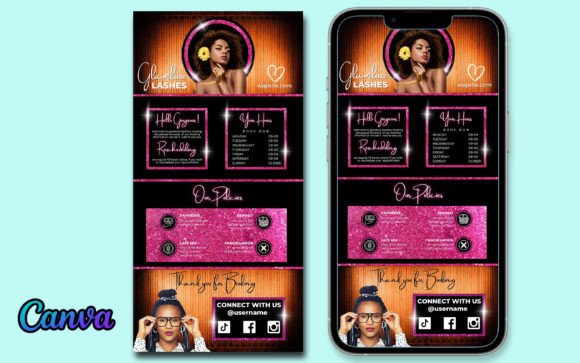
The modern approach to these templates eliminates these hurdles entirely. When you purchase a high-quality template, you typically receive a PDF file containing direct access links to editable files on platforms like Canva. This means no software installation is needed, and there are no proprietary fonts to track down and install on your computer. Everything resides in the cloud, allowing you to edit, save, and download your designs from any device with an internet connection. This accessibility ensures that your focus remains on your business operations rather than troubleshooting technical glitches.
Overlooking Editability and Long-Term Flexibility
Another frequent mistake is purchasing static images under the guise of "templates." Some sellers offer JPG or PNG files that look beautiful but are completely uneditable. While these might seem like a quick fix, they severely limit your ability to adapt. If your pricing changes, your service descriptions evolve, or your brand colors shift, a static image becomes obsolete immediately. You would then need to hire a designer again or spend hours recreating the graphic from scratch.
To avoid this inefficiency, it is crucial to verify that the template you choose is fully editable. A robust Acuity Scheduling Template allows you to:
- Add, edit, or remove any text, including font type, size, and placement.
- Upload your own images and graphics to maintain authenticity.
- Modify background colors and elements to match seasonal promotions or brand updates.
- Duplicate pages to create unique designs for different service categories.
This level of flexibility ensures that your scheduling page grows with your business. For instance, if you launch a new coaching package, you can simply duplicate an existing banner, update the text and imagery, and have a fresh design ready in minutes. There is no expiration date on your access, and you can download your files as PDF, JPG, or PNG formats whenever necessary. This longevity provides a much higher return on investment compared to one-off design services.
Neglecting Brand Consistency Across Touchpoints
A subtle yet critical error is treating the scheduling page as an isolated entity. Your clients journey from your Instagram profile to your website, and finally to your booking link. If the visual language shifts dramatically at the scheduling stage, it creates cognitive dissonance and can erode trust. Some users make the mistake of choosing a template solely because it looks "pretty," without considering whether it complements their existing brand palette.
Before finalizing your design, review your current brand assets. Does the template allow you to input your exact hex color codes? Can you upload your logo in high resolution? A premium template should facilitate seamless integration. By ensuring that the fonts, colors, and imagery in your Acuity background mirror your primary marketing materials, you create a cohesive professional narrative. This consistency reassures clients that they are in the right place and reinforces the perceived value of your services.
Ignoring File Optimization and Upload Requirements
Even with a beautifully designed template, technical execution can falter if file specifications are ignored. A common oversight is uploading images that are either too large, causing slow load times, or too small, resulting in pixelation on high-resolution screens. Additionally, Acuity Scheduling has specific requirements for background images to ensure they display correctly across desktop and mobile devices.
When you edit your template, always pay attention to the export settings. Downloading your design as a high-quality JPG is generally the best practice for Acuity backgrounds. Ensure that the key information—such as your business name or key selling points—is positioned within the "safe zone" so it is not obscured by Acuity’s native interface elements like booking forms or calendar grids. Taking a moment to preview your design on both mobile and desktop views before publishing can save you from awkward formatting issues later.
Making the Right Choice for Your Business
Selecting the right Acuity Scheduling Template is about balancing aesthetics with usability. It is not just about having a pretty picture; it is about creating a functional, branded environment that enhances the user experience. By avoiding the pitfalls of technical complexity, static designs, brand inconsistency, and poor optimization, you set your business up for smoother operations and higher client satisfaction.
Remember, the goal is efficiency and professionalism. Look for templates that offer unrestricted editing capabilities, cloud-based accessibility, and clear instructions. With the right tools, you can transform a standard scheduling link into a powerful extension of your brand, ensuring that every interaction with your business feels intentional, polished, and welcoming. Take the time to evaluate your options, check for full editability, and choose a solution that empowers you to maintain your brand identity without the need for ongoing technical support.