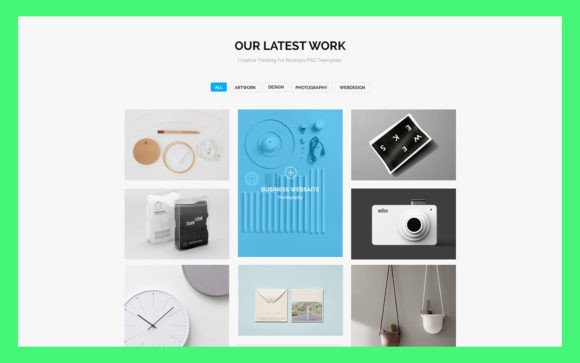
Mastering the Modern Portfolio UI Element for Digital Success
In the rapidly evolving landscape of digital design, the first impression is often the only impression. For creatives, agencies, and businesses alike, the portfolio is not merely a gallery of past work; it is the cornerstone of professional identity and client acquisition. At the heart of this digital showcase lies the Portfolio UI Element, a critical component that dictates how content is perceived, navigated, and appreciated. Understanding the nuances of these interface components is essential for anyone looking to establish a robust online presence.
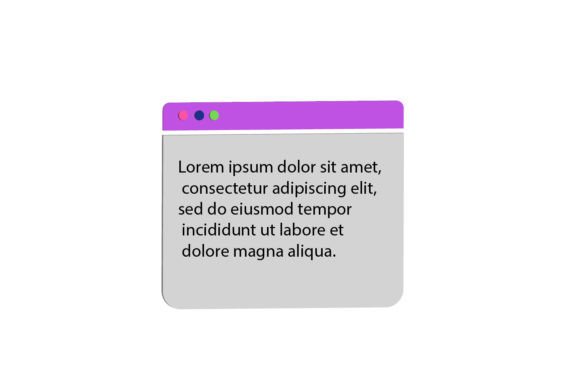
A well-crafted Portfolio UI Element serves as the bridge between raw creative output and user experience. It transforms static images and case studies into an interactive journey. When designed effectively, these elements do more than display work; they tell a story, guide the viewer’s eye, and encourage engagement. The modern web user expects simplicity, speed, and aesthetic coherence. Consequently, the demand for simple, clean, and modern design solutions has never been higher. This article explores the significance of these UI components, their customizable nature, and how they can be leveraged to enhance various digital projects.
The Essence of Simplicity and Customization
The primary advantage of utilizing pre-designed Portfolio UI Elements is the balance they strike between professionalism and ease of use. Many designers, particularly those who are not coding experts, struggle with the technical complexities of building responsive grid systems from scratch. A high-quality UI kit alleviates this burden by providing a foundation that is both robust and flexible. The concept of "easy to use" is paramount here. It implies that the asset should be intuitive, allowing users to swap out placeholder content with their own without disrupting the underlying structure.
Customizability is another pillar of effective UI design. A rigid template may look good out of the box, but it rarely fits every brand identity. This is where the ability to easy change color style becomes invaluable. Whether a brand relies on vibrant, energetic hues or subdued, minimalist tones, the UI element must adapt seamlessly. This flexibility ensures that the portfolio remains consistent with the broader visual language of the website or application. Furthermore, being fully edit on Adobe Photoshop empowers designers to tweak every pixel, adjust spacing, and modify typography to suit specific project requirements.
Key Features of High-Quality UI Assets
When evaluating a Portfolio UI Element for your next project, several technical and aesthetic features should be prioritized. These characteristics determine not only the visual appeal but also the workflow efficiency for the designer.
- Fully Organized Layers: Time is a precious resource in design. A PSD file with chaotic, unnamed layers can turn a simple edit into a hours-long frustration. High-quality assets feature meticulously organized layer groups, clear naming conventions, and logical hierarchies. This organization allows for rapid modifications and ensures that any designer picking up the file can understand its structure immediately.
- Source File Format PSD: While new tools emerge regularly, Adobe Photoshop remains an industry standard for raster-based UI design. Providing the source file in PSD format ensures compatibility with a vast majority of design workflows. It allows for deep customization using smart objects, layer styles, and adjustment layers.
- Color RGB: Digital screens display colors using the Red, Green, Blue (RGB) model. Ensuring that the UI element is built in Color RGB mode guarantees that the colors viewed on the designer’s screen match what the end-user sees on their device. This prevents unexpected shifts in hue or saturation when the design is exported for web use.
- Google Fonts Integration: Typography plays a crucial role in readability and brand personality. Utilizing Google Fonts offers a wide selection of web-safe, optimized typefaces that load quickly and render consistently across different browsers and operating systems. This integration simplifies the handoff process between designers and developers.
Practical Applications and Real-World Scenarios
The versatility of a Portfolio UI Element extends beyond traditional personal portfolios. Its applications are diverse, catering to various industries and use cases. Understanding where these elements fit best can help professionals maximize their value.
- Freelance Creatives: Graphic designers, illustrators, and photographers need a platform to showcase their best work. A clean UI element allows them to highlight their visuals without distraction, ensuring that the art remains the focal point.
- Digital Agencies: Agencies often need to present case studies that include multiple media types, such as videos, images, and text. A modular UI element can be adapted to create compelling case study layouts that guide potential clients through the problem-solving process.
- SaaS and App Developers: Software companies use portfolio-style sections to display app screenshots, feature highlights, and user testimonials. The structured nature of these UI elements helps in organizing complex information into digestible chunks.
- Corporate Services: Even non-creative businesses benefit from showcasing their projects. Consulting firms, architectural practices, and marketing agencies can use these elements to build credibility by displaying past successes and client collaborations.
Consider a freelance web developer launching a new personal site. By implementing a simple, clean, and modern design portfolio grid, they can instantly elevate the perceived quality of their brand. Instead of spending weeks coding a custom masonry layout, they can utilize a pre-built UI element, customize the colors to match their personal brand, and launch their site in a fraction of the time. This efficiency allows them to focus on what truly matters: acquiring clients and delivering quality work.
Evaluating Suitability for Your Project
Not every UI element is suitable for every project. When selecting a Portfolio UI Element, it is crucial to assess your specific needs. Ask yourself: Does the design align with my brand’s tone? Is the level of customization sufficient for my requirements? How easy is it to update the content?
For beginners, the priority should be ease of use. Look for assets that offer comprehensive documentation and straightforward layer structures. For experienced designers, the focus might shift towards unique design details and advanced customization options. Regardless of skill level, the goal is to find a tool that enhances productivity rather than hindering it.
It is also important to consider the limitations. While PSD files are powerful, they are static. If your project requires dynamic content loading or complex animations, you will need to translate the design into code (HTML/CSS/JavaScript) or use a prototyping tool. The UI element serves as the visual blueprint, but the final implementation depends on your development stack.
The Value of Professional Presentation
In a crowded digital marketplace, professionalism is a key differentiator. A sloppy or outdated portfolio can deter potential clients, regardless of the quality of the work displayed. Conversely, a polished, well-structured portfolio signals attention to detail and respect for the user experience. By leveraging high-quality Portfolio UI Elements, professionals can ensure that their presentation matches the caliber of their services.
Moreover, these elements promote consistency. When all pages of a website share a common design language, it creates a cohesive brand experience. This consistency builds trust and makes navigation intuitive for visitors. Whether you are showcasing a single project or a hundred, the underlying UI structure provides the stability needed for a seamless user journey.
Conclusion
The Portfolio UI Element is more than just a design template; it is a strategic tool for digital communication. By offering a blend of simple, clean, and modern design, extensive customizability, and technical precision, these assets empower creators to build impactful online presences. From the fully organized layers in the PSD source file to the seamless integration of Google Fonts and Color RGB standards, every feature is designed to streamline the design process and enhance the final output.
Whether you are a seasoned agency or an independent creator, investing in high-quality UI components can significantly reduce development time while elevating the visual quality of your work. As you evaluate options for your next project, prioritize usability, flexibility, and aesthetic alignment. By doing so, you ensure that your portfolio not only displays your work but also reflects your professional excellence. Embrace the power of thoughtful design, and let your work speak for itself through a interface that is both beautiful and functional.