3d Smartphone with Empty Screen for Mock: Elevating Digital Presentations
In the fast-paced world of digital design and marketing, first impressions are often made through pixels rather than handshakes. Whether you are a freelance graphic designer, a startup founder pitching an app idea, or a social media manager curating content, the way you present your digital work matters immensely. This is where the concept of a 3d Smartphone with Empty Screen for Mock becomes an indispensable tool in your creative arsenal. It is not just about placing an image inside a phone frame; it is about creating a believable, high-quality visual context that allows viewers to imagine holding the device themselves.
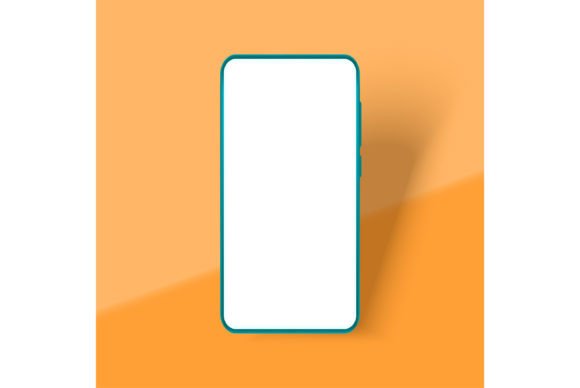
A 3D smartphone mockup with an empty screen serves as a versatile canvas. Unlike flat, two-dimensional screenshots that can feel sterile or disconnected from reality, a three-dimensional rendering adds depth, lighting, and perspective. When isolated on a soft, pastel blue background, as seen in many modern minimal scenes, the device pops without overwhelming the viewer. This specific aesthetic choice—clean, airy, and uncluttered—aligns perfectly with contemporary design trends that favor whitespace and simplicity. The "empty screen" aspect is crucial because it grants you total freedom. You are not locked into a pre-set interface; instead, you can insert any UI design, website layout, video loop, or static image that suits your immediate needs.
Real-World Applications Across Industries
The utility of a 3d smartphone with empty screen for mockup mobile concept extends far beyond simple graphic design projects. Different industries leverage these assets to solve specific communication challenges, turning abstract ideas into tangible visuals.
App Development and UX/UI Design
For user experience designers and app developers, showcasing a new interface is critical during both internal reviews and external marketing launches. A high-fidelity 3D render allows stakeholders to visualize how an app looks in a real-world context. By using a device with an empty screen, designers can swap out different screens rapidly to demonstrate user flows. For instance, you might show the login screen on one slide and the dashboard on the next, all within the same consistent 3D environment. This consistency helps users focus on the interface changes rather than getting distracted by varying backgrounds or angles. The realistic shadows and reflections on the phone’s glass surface add a layer of professionalism that flat screenshots simply cannot match.
Digital Marketing and Social Media Campaigns
Social media managers know that scroll-stopping content is king. A generic screenshot of a website often gets lost in a feed cluttered with vibrant photos and videos. However, a beautifully rendered 3D phone floating against a pastel blue backdrop creates a visual break. It signals quality and attention to detail. Marketers use these mockups to promote e-commerce stores, landing pages, or special offers. The empty screen allows them to highlight specific call-to-action buttons or promotional banners clearly. Furthermore, because the background is minimal and neutral, the mockup blends seamlessly with various brand color palettes, making it easy to maintain brand consistency across Instagram, Pinterest, and LinkedIn posts.
Corporate Presentations and Pitch Decks
When pitching a new digital product to investors or clients, credibility is everything. A slide deck filled with low-resolution images or awkwardly cropped screenshots can undermine your message. Integrating a professional 3D smartphone mockup elevates the entire presentation. It suggests that you have invested time and resources into the visual identity of your product. The isolated nature of the object means it does not clash with the text or data charts on your slides. You can place the phone next to key metrics or user testimonials, creating a balanced composition that guides the viewer’s eye naturally from the device to the supporting information.
Why the Minimal Pastel Aesthetic Works
You might wonder why the specific combination of a 3D device and a pastel blue background is so effective. The answer lies in cognitive load and visual hierarchy. Human brains process clean, uncluttered images faster than complex ones. A pastel blue background is calming and non-intrusive; it recedes visually, allowing the smartphone—and more importantly, the content on its screen—to take center stage.
This minimal scene approach also offers incredible flexibility. If your brand colors are warm tones like orange or yellow, the cool blue background provides a pleasing contrast that makes the device stand out. If your brand is monochromatic or uses cool tones, the pastel blue creates a harmonious, sophisticated look. This versatility makes the 3d Smartphone with Empty Screen for Mock a safe yet stylish choice for designers who need a reliable template that works in multiple contexts.
Practical Considerations for Choosing and Using Mockups
While the benefits are clear, selecting the right mockup asset requires some consideration. Not all 3D renders are created equal, and using a low-quality file can do more harm than good. Here are some practical observations to keep in mind when integrating these tools into your workflow.
- Resolution and Scalability: Always ensure the mockup is high-resolution. Since you will be inserting your own designs onto the screen, any pixelation in the base image will be noticeable. Look for files that allow for smart object replacement, ensuring your inserted graphics maintain their sharpness.
- Perspective and Angle: The angle of the phone should match the intent of your message. A front-facing view is best for showing detailed UI elements, while a slight tilt adds dynamism and is better for lifestyle-oriented marketing. Ensure the perspective of your inserted screen content matches the 3D angle of the device to maintain realism.
- Lighting Consistency: Pay attention to the lighting in the render. If the 3D phone has strong highlights on the left side, your screen content should not appear flatly lit. Advanced users often adjust the brightness and contrast of their inserted designs to mimic the ambient light of the scene, enhancing the illusion that the screen is part of the physical object.
- File Format Compatibility: Most professional mockups come in PSD (Photoshop) format with smart layers. However, if you are using other design tools like Figma or Sketch, look for PNG or JPEG versions with transparent backgrounds, or use plugins that allow you to import 3D models directly. The flexibility of the file format determines how easily you can iterate on your designs.
Navigating Potential Limitations
Despite their advantages, 3D mockups are not a one-size-fits-all solution. One potential limitation is the risk of overuse. Because these assets are popular, there is a chance that your audience may have seen similar imagery before. To combat this, consider customizing the lighting or adding subtle unique elements to the scene, such as a shadow cast by a virtual plant or a slight gradient shift in the background. Additionally, while 3D renders are great for static presentations, they lack the interactivity of a live prototype. They should be used to complement, not replace, functional demos when possible.
Another consideration is the emotional connection. A sterile, isolated phone on a pastel background is professional, but it may lack the human element. For campaigns focused on community or lifestyle, you might want to alternate between these clean 3D renders and photos of real people using devices. This balance ensures your branding feels both polished and relatable.
Maximizing Impact Through Strategic Use
To get the most out of a 3d smartphone with empty screen for mockup mobile concept, think of it as a storytelling device. The phone is the vessel, but the screen content is the story. Use the empty space to highlight what matters most. If you are launching a new feature, zoom in on that specific part of the screen. If you are showcasing a brand’s aesthetic, let the colors of your app interface harmonize with the pastel blue background.
Ultimately, the goal is to bridge the gap between digital creation and physical perception. By using high-quality 3D assets, you provide your audience with a familiar, tactile reference point. They don’t just see a design; they envision experiencing it. This subtle psychological shift can significantly enhance engagement, trust, and conversion rates. Whether you are refining a pitch deck or crafting the perfect Instagram post, the right mockup transforms your work from a simple file into a compelling visual narrative.