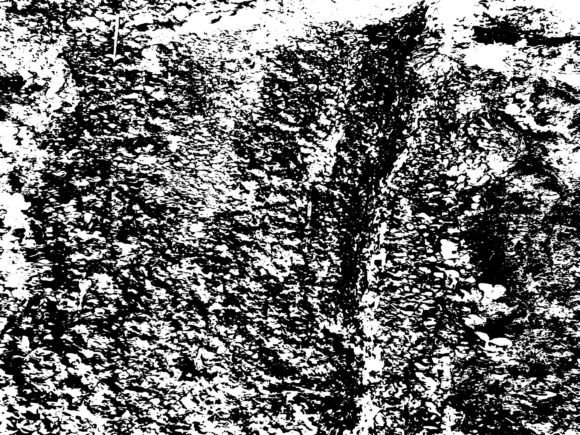
Stone Texture: Elevating Digital Design with Authentic Materiality
In an era where digital interfaces dominate our daily interactions, there is a growing counter-movement toward authenticity and tactile realism. Designers, marketers, and content creators are increasingly turning away from flat, sterile aesthetics in favor of materials that evoke a sense of permanence, stability, and natural beauty. At the forefront of this shift is stone texture. Whether used in architectural visualization, luxury branding, or web design backgrounds, stone offers a visual weight that synthetic colors simply cannot replicate. However, integrating these organic elements into modern workflows requires more than just a quick image search; it demands high-fidelity assets that can withstand rigorous professional standards.
The relevance of stone texture extends beyond mere aesthetics. It taps into a psychological preference for natural elements, often referred to as biophilic design. For professionals aged 20 to 50—who span industries from tech startups to established real estate firms—understanding how to effectively utilize these textures can significantly enhance user engagement and brand perception. The key lies not just in selecting the right look, but in having access to versatile, high-resolution file formats that adapt seamlessly across various media platforms.
The Evolution of Material Design in Digital Spaces
Over the past decade, digital design has oscillated between extreme minimalism and complex skeuomorphism. Today, we find ourselves in a nuanced middle ground. Users expect interfaces and marketing materials to feel grounded and trustworthy. Stone, with its inherent irregularities and depth, provides a perfect anchor for this design philosophy. It suggests durability and timelessness, qualities that businesses strive to associate with their brands.
This trend is driven by changing consumer habits. Modern audiences are more discerning; they can spot low-quality stock imagery instantly. A pixelated or poorly lit stone background can detract from credibility rather than enhance it. Consequently, the demand for premium, high-resolution assets has surged. Creators are no longer satisfied with standard web-resolution images. They require files that maintain integrity when scaled, printed, or manipulated in vector-based software. This shift reflects a broader market preference for quality over quantity, where a single, versatile asset library is more valuable than hundreds of mediocre options.
Why File Format Versatility Matters for Professionals
For freelancers, agency designers, and in-house creative teams, the utility of a design asset is determined by its flexibility. A beautiful stone texture is only as good as its ability to fit into diverse projects. This is why comprehensive asset packs are becoming the standard for serious creators. When you invest in a high-quality stone texture collection, you are not just buying an image; you are buying workflow efficiency.
Consider the typical lifecycle of a design project. It might begin with a concept sketch in Adobe Illustrator, move to photo manipulation in Photoshop, and end with a large-format print or a responsive web layout. Each stage requires different file types. Raster images are essential for photorealism, while vector files are crucial for scalability and editing. Having access to both ensures that you never hit a technical dead end mid-project.
The Power of High-Resolution Raster Images
At the core of any realistic stone representation are high-resolution raster files. Specifically, receiving 2 PNG files at 300dpi is a critical component of a professional asset pack. The 300 dots per inch (dpi) resolution ensures that the intricate details of the stone—its grains, fissures, and color variations—are preserved even when printed on physical materials like business cards, brochures, or packaging.
PNG files are particularly valuable because they support transparency and lossless compression. This means you can overlay the stone texture onto other design elements without introducing unwanted artifacts or white backgrounds. Additionally, the inclusion of 2 JPG files with all designs provides optimized options for web use. JPGs are smaller in file size, making them ideal for website backgrounds, email newsletters, and social media posts where loading speed is paramount. By providing both formats, the asset pack caters to both print and digital needs, eliminating the need for time-consuming conversions that often degrade image quality.
Scalability and Precision with Vector Formats
While raster images capture photographic reality, vector files offer unparalleled flexibility. Receiving 2 SVG files in vertical and horizontal orientation allows designers to scale the stone texture to any size without losing clarity. This is particularly useful for large-scale applications such as billboards, trade show booths, or vehicle wraps. SVGs (Scalable Vector Graphics) are also lightweight and code-friendly, making them excellent for web developers who want to implement textured backgrounds that load quickly and render sharply on all devices.
Furthermore, the provision of 1 EPS file with all designs and 1 Ai file with all designs caters specifically to professional graphic designers using industry-standard software like Adobe Illustrator. These formats allow for deep customization. Designers can isolate specific elements of the stone texture, adjust color palettes to match brand guidelines, or integrate the texture into complex logo designs. The ability to edit the vector paths means that the stone texture can be morphed, twisted, or patterned in ways that static images cannot. This level of control is essential for creating unique, bespoke visuals that stand out in a crowded marketplace.
Practical Applications Across Industries
The versatility of a comprehensive stone texture pack makes it relevant across a wide spectrum of industries. For architects and interior designers, these assets are invaluable for creating realistic renderings and mood boards. Clients can visualize how a marble countertop or a slate floor will look in their space before any physical materials are purchased. The high fidelity of 300dpi PNGs ensures that these presentations look professional and convincing.
In the realm of branding and marketing, stone textures convey luxury and stability. Jewelry brands, financial institutions, and high-end real estate agencies often use stone backgrounds to subconsciously communicate trustworthiness and value. The ability to switch between vertical and horizontal SVGs allows marketers to adapt these textures for various ad formats, from Instagram stories to LinkedIn banners, without compromising on visual impact.
For web designers and developers, the inclusion of JPG and SVG files streamlines the development process. Instead of searching for separate assets for different screen sizes and orientations, they have a unified library that works across the board. This not only saves time but also ensures visual consistency throughout the user experience. Educators and bloggers can also benefit, using these textures to create engaging presentation slides or article headers that break up text-heavy content and add visual interest.
Integrating Stone Texture into Modern Workflows
Adopting high-quality stone textures into your design toolkit requires a strategic approach. Start by identifying the emotional tone you wish to convey. Rough, jagged stones might suit an adventurous outdoor brand, while smooth, polished marble aligns better with luxury cosmetics. Once the aesthetic is chosen, leverage the different file formats to maximize efficiency.
- Use PNGs for print and high-fidelity compositing: Ensure your final printed materials have the crisp detail that 300dpi provides.
- Leverage JPGs for digital speed: Optimize your website’s performance by using compressed JPGs for background elements.
- Utilize SVGs for responsive design: Implement scalable vectors to ensure your textures look sharp on mobile devices and 4K monitors alike.
- Edit with Ai and EPS for customization: Tailor the colors and shapes to fit your specific brand identity without starting from scratch.
By understanding the strengths of each file type, you can create a seamless workflow that reduces turnaround time and elevates the quality of your output. This holistic approach to asset management is what separates amateur designers from seasoned professionals.
Future-Proofing Your Creative Assets
As technology advances, the line between digital and physical continues to blur. Augmented reality (AR) and virtual reality (VR) applications are increasingly relying on high-quality textures to create immersive environments. Having a library of versatile stone textures prepares you for these emerging platforms. The same SVG and PNG files used for a static brochure can be mapped onto 3D models in virtual spaces, extending the lifespan and utility of your assets.
Moreover, the trend toward sustainability in design favors natural materials like stone. Using digital representations of stone can reduce the need for physical samples in early design stages, lowering waste and carbon footprint. This aligns with the values of many modern businesses and consumers who prioritize environmental responsibility.
In conclusion, stone texture is more than a visual trend; it is a fundamental element of contemporary design that bridges the gap between the digital and natural worlds. By equipping yourself with a comprehensive set of files—including 300dpi PNGs, versatile SVGs, editable Ai and EPS files, and web-ready JPGs—you empower your creative practice to meet the diverse demands of modern projects. Whether you are a freelancer looking to impress clients or a business owner aiming to refine your brand identity, investing in high-quality, multi-format stone textures is a strategic move that yields long-term benefits. Embrace the authenticity of stone, and let it ground your designs in a world that increasingly values the real.