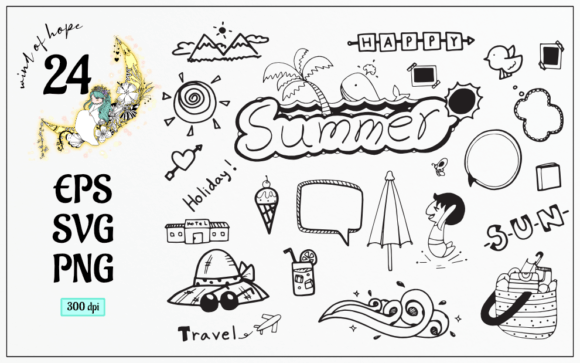
Mastering the Summer Doodle Vector Design Element for Professional Results
Integrating a Summer Doodle Vector Design Element into your creative projects can instantly elevate the visual appeal of your work. Whether you are designing social media graphics, crafting marketing materials, or developing educational resources, these playful illustrations capture the essence of warmth, leisure, and joy. However, many creators overlook the technical nuances that separate amateur designs from professional-grade assets. Understanding not just what these elements are, but how to handle them correctly, is crucial for maintaining efficiency and quality in your workflow.
The allure of summer-themed doodles lies in their versatility. They evoke feelings of relaxation and happiness, making them ideal for brands looking to connect with audiences on an emotional level during the warmer months. Yet, a common misconception is that all digital art files are created equal. This assumption often leads to frustration when designers discover that their chosen assets do not scale properly, lack transparency, or are difficult to edit. By recognizing these potential pitfalls early, you can ensure that your design process remains smooth and your final output meets high standards.
Understanding the Value of Vector Formats
One of the most frequent mistakes beginners make is underestimating the importance of vector file formats. When you download a Summer Doodle Vector Design Element, you are typically provided with multiple file types, including EPS and SVG. Many users immediately gravitate toward PNG files because they are easy to view and insert into documents. While PNGs have their place, relying on them exclusively limits your creative flexibility.
Vector files, such as EPS and SVG, are mathematical representations of images. This means they can be scaled infinitely without losing quality. If you attempt to enlarge a raster image like a PNG beyond its original dimensions, it becomes pixelated and blurry. This is particularly problematic for large-format printing, such as banners or posters, where clarity is paramount. By prioritizing vector formats, you future-proof your designs, allowing you to resize elements for anything from a small business card to a massive billboard without degradation.
Furthermore, vector files offer superior editability. In professional software like Adobe Illustrator or CorelDRAW, you can manipulate individual paths, change colors, and adjust shapes within an EPS or SVG file. This level of control is impossible with a flattened PNG. For entrepreneurs and marketers who need to maintain brand consistency, the ability to tweak a doodle’s color palette to match specific brand guidelines is invaluable. Ignoring this capability forces you to settle for generic aesthetics rather than customized, cohesive designs.
The Critical Role of Transparency and Resolution
Another area where creators often stumble is the handling of background transparency. A high-quality asset pack should include PNG files with translucent backgrounds, typically at 300 DPI (dots per inch). A common error is using low-resolution images with white backgrounds, which require tedious manual removal in photo editing software. This not only wastes time but often results in jagged edges or leftover artifacts that detract from the professionalism of the final piece.
When you utilize PNGs with a translucent background, you can layer your summer doodles seamlessly over photos, gradients, or colored backgrounds. This integration creates a polished look that appears native to the design rather than slapped on top. The 300 DPI resolution is equally critical for print applications. Web graphics often use 72 DPI, which is insufficient for printing. If you intend to use these elements in physical products like t-shirts, mugs, or flyers, ensuring you select the 300 DPI versions prevents blurry or grainy outputs.
Consider a scenario where a small business owner wants to create summer-themed packaging. Using a low-resolution PNG with a visible white box around the doodle would look unprofessional and cheap. Conversely, employing a high-resolution, transparent PNG allows the design to breathe and interact with the packaging material, enhancing the perceived value of the product. Always verify the resolution and background status of your raster files before incorporating them into serious projects.
What You Actually Get in the Zip File
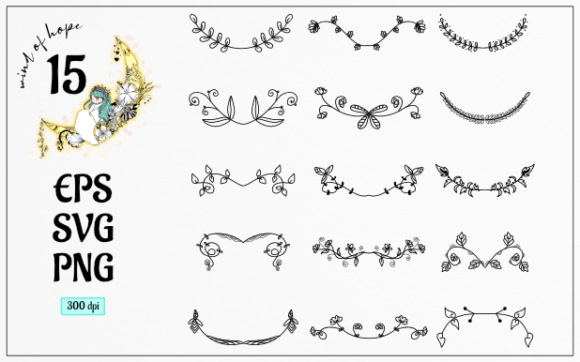
To maximize the utility of your purchase, it is essential to understand exactly what is included in the download package. A comprehensive Summer Doodle Vector Design Element kit typically contains a zip file with three distinct components: EPS files, SVG files, and a collection of PNGs. Each format serves a specific purpose, and knowing when to use which can significantly streamline your workflow.
- EPS Files: Ideal for professional desktop publishing and print design. These are compatible with major vector editing software and are the standard for high-end printing processes.
- SVG Files: Perfect for web development and digital interfaces. SVGs are lightweight, scalable, and can be directly embedded into HTML code, making them excellent for websites and apps.
- PNG Files (24 count, 300 DPI): Ready-to-use raster images with transparent backgrounds. These are best for quick edits, social media posts, and presentations where vector editing is not required.
Many users download the zip file and only extract the PNGs, ignoring the vector formats entirely. This is a missed opportunity. By exploring the EPS and SVG files, you unlock the full potential of the asset pack. For instance, if you are a blogger, you might use the SVGs for crisp icons on your website. If you are a freelancer creating client brochures, the EPS files allow you to customize the doodles to fit the client’s unique color scheme.
Avoiding Common Licensing and Usage Errors
Beyond technical specifications, misunderstanding licensing terms is a prevalent issue. Before using any Summer Doodle Vector Design Element in commercial projects, always review the license agreement. Some assets are for personal use only, while others allow for commercial application. Using a personal-use-only asset in a paid client project can lead to legal complications and financial penalties.
Additionally, consider the context of your design. Summer doodles are whimsical and informal. Applying them to serious corporate reports or formal legal documents may create a tonal mismatch that confuses the audience. Ensure that the style of the doodle aligns with the message you are conveying. For educators, these elements are perfect for engaging worksheets and classroom decorations. For marketers, they work well in seasonal email campaigns and social media ads. Matching the asset to the appropriate medium ensures effective communication.
In conclusion, leveraging a Summer Doodle Vector Design Element effectively requires more than just downloading and dragging files into a canvas. It demands an understanding of file formats, resolution requirements, and appropriate usage contexts. By choosing the right format for the right job—vectors for scalability and editing, high-res PNGs for quick implementation—you enhance both the quality and efficiency of your design work. Take the time to explore all the files in your zip package, respect licensing boundaries, and apply these elements thoughtfully. Doing so will transform simple doodles into powerful tools for visual storytelling, helping you create compelling, professional-grade designs that resonate with your audience.