User Interface Elements Old PC Vaporwave: Bridging Retro Aesthetics and Modern Design
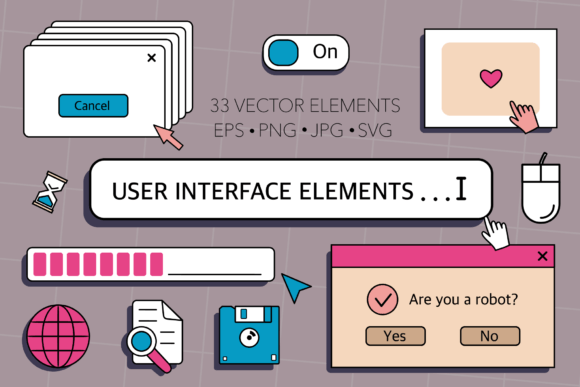
In the rapidly evolving landscape of digital design, nostalgia has emerged not merely as a fleeting trend but as a powerful tool for storytelling and brand differentiation. The resurgence of 80s and 90s computing aesthetics, often categorized under the umbrella of vaporwave, offers designers a unique palette to evoke feelings of familiarity, irony, and digital warmth. This collection of user interface elements, UI, and UX themes captures that specific zeitgeist, providing a curated set of vector illustrations that blend retro collage techniques with modern usability standards.
For professionals, creators, and entrepreneurs, understanding the utility of these assets goes beyond simple aesthetic appreciation. It involves recognizing how visual language influences user engagement and how retro-futurism can be leveraged to stand out in a saturated market dominated by minimalist flat design. By integrating these vintage-inspired windows, icons, and interface components into contemporary projects, designers can create experiences that are both visually striking and emotionally resonant.
The Resurgence of Retro Computing in Modern UX
The appeal of the "Old PC" aesthetic lies in its distinct visual identity. Characterized by pixelated fonts, neon gradients, geometric shapes, and the iconic layout of early operating systems, this style taps into a collective memory of the dawn of the personal computer era. However, the modern application of these elements is not about replicating the limitations of old technology but rather celebrating its visual charm while maintaining the functionality expected by today’s users.
This shift reflects a broader cultural movement where digital natives and older generations alike seek comfort in the familiar. For marketers and bloggers, using vaporwave-style graphics can signal a brand’s personality as playful, creative, and culturally aware. It breaks the monotony of corporate sans-serifs and sterile white spaces, offering a tactile, almost tangible quality to digital interfaces. The retro collage approach allows for layering textures, glitch effects, and surreal imagery, creating depth that flat design often lacks.
Moreover, the evolution of this trend highlights a changing habit in user expectations. Users are increasingly drawn to interfaces that feel human and curated rather than algorithmically generated. By incorporating elements that remind them of early desktop environments, designers can foster a sense of intimacy and nostalgia, making the digital experience feel less transient and more grounded.
Practical Applications for Creators and Businesses
The versatility of this collection makes it an invaluable resource for a wide range of professional applications. Whether you are a freelancer designing a portfolio, a business owner launching a new product, or an educator creating engaging course materials, these vector elements provide a foundational toolkit for establishing a cohesive visual theme.
- Web Design and Landing Pages: Use the vector windows and icons to create unique hero sections or call-to-action buttons that stand out. The contrast between retro UI elements and modern web layouts can guide user attention effectively.
- Social Media Content: Bloggers and influencers can utilize the PNG files to create eye-catching posts, stories, and thumbnails. The vibrant colors and distinct shapes are optimized for small screens, ensuring high visibility in crowded feeds.
- Presentation Decks: Entrepreneurs and educators can replace standard bullet points with retro icons and interface motifs to make presentations more memorable and visually engaging.
- Merchandise and Print: Since the collection includes high-resolution EPS and JPG files, these designs can be scaled for print-on-demand products, posters, or packaging, bridging the gap between digital art and physical goods.
The key to successful implementation is balance. While the vaporwave aesthetic is bold, it should complement rather than overwhelm the core message. For instance, using a retro window frame to highlight a testimonial or a key feature can draw the eye without distracting from the content. This strategic use of UI elements enhances the overall user experience by adding visual hierarchy and interest.
Technical Compatibility and Workflow Integration
One of the most significant advantages of this collection is its technical flexibility. Designed with professional workflows in mind, the assets are provided in multiple formats to ensure seamless integration into various software ecosystems. Understanding the specific benefits of each format can help users maximize the utility of the product.
The EPS files are compatible with Illustrator 10 and later versions, making them ideal for designers who need to edit paths, change colors, or resize elements without losing quality. Vector scalability is crucial for responsive design, where assets must look crisp on everything from mobile devices to large desktop monitors. The ability to manipulate these vectors allows for customizations that fit specific brand guidelines, ensuring consistency across all touchpoints.
For those working primarily in raster-based programs, the PNG files offer transparency and high-quality resolution. These are compatible with most graphics programs and can be used with any version of Adobe Photoshop. This compatibility is essential for quick edits, compositing, and web-ready exports. The inclusion of JPG and SVG formats further broadens the scope, allowing for easy use in web development environments and document editing software.
This multi-format approach acknowledges the diverse tools used by modern creators. Whether you are a seasoned graphic designer using advanced vector tools or a marketer using simpler drag-and-drop editors, the collection is structured to bring maximum benefit. It reduces the friction often associated with sourcing and converting design assets, allowing professionals to focus on creativity and strategy rather than technical troubleshooting.
Navigating the Balance Between Nostalgia and Usability
While the aesthetic appeal of vaporwave and retro PC elements is strong, it is crucial to maintain modern usability standards. Nostalgia should enhance, not hinder, the user journey. Designers must ensure that text remains readable, navigation is intuitive, and interactive elements are clearly identifiable.
For example, while a pixelated font may look authentic to the 90s, it might struggle with readability on smaller screens. In such cases, pairing retro display fonts with clean, modern body text can create a harmonious balance. Similarly, using retro icons for navigation is effective as long as their function is universally understood. The goal is to evoke the feeling of the past while delivering the performance of the present.
Feedback from users suggests that when these elements are used thoughtfully, they can significantly improve engagement metrics. Users spend more time exploring interfaces that offer visual novelty and emotional connection. For businesses, this translates to higher retention rates and stronger brand loyalty. For creators, it means building a distinctive identity that resonates with their audience on a deeper level.
Maximizing Value Through Creative Exploration
To truly leverage this collection, users are encouraged to experiment with composition and context. The retro collage style invites mixing and matching elements to create new narratives. Layering a vaporwave sunset behind a classic Windows 95 error message, for instance, can create a humorous or poignant commentary on modern digital life. Such creative juxtapositions can become powerful visual metaphors in marketing campaigns or editorial illustrations.
Furthermore, staying updated with community feedback and trends can inspire new ways to use these assets. Engaging with other designers and sharing results can lead to innovative applications that push the boundaries of the style. The creator of this collection expresses genuine interest in user feedback, highlighting a commitment to continuous improvement and community support. This collaborative spirit ensures that the product remains relevant and useful as design trends evolve.
In conclusion, the User Interface Elements Old PC Vaporwave collection is more than just a set of graphics; it is a gateway to a distinctive design language that bridges past and present. By understanding its cultural relevance, technical capabilities, and practical applications, professionals can harness its power to create compelling, memorable, and effective digital experiences. Whether you are looking to refresh a brand identity, enhance a user interface, or simply add a touch of retro flair to your creative projects, this toolkit offers the flexibility and quality needed to succeed in today’s competitive digital landscape.
Thank you for purchasing this product. Your creative journey with these elements is just beginning, and the potential for innovation is limitless. We look forward to seeing how you integrate these retro-inspired themes into your work and welcome your insights as we continue to explore the intersection of nostalgia and modern design.