Mastering Visual Identity with High-Quality Wooden Signboard Hanging 3D Renders
In the competitive landscape of modern branding and architectural visualization, the ability to present a concept before it physically exists is invaluable. Digital mockups have evolved from simple placeholders to sophisticated marketing tools that drive decision-making for clients and stakeholders. Among the most sought-after assets in this domain is the Wooden Signboard Hanging 3d Render. This specific type of digital asset bridges the gap between rustic aesthetic appeal and modern design precision, offering a versatile solution for designers, marketers, and business owners alike.
The demand for photorealistic presentations has surged as businesses seek to minimize risk and maximize visual impact. By utilizing high-fidelity renders, professionals can showcase signage in realistic environments, allowing for accurate assessments of scale, material texture, and lighting interaction. This article explores the technical nuances, practical applications, and strategic advantages of integrating wooden signboard renders into your creative workflow.
The Technical Foundation of Photorealism
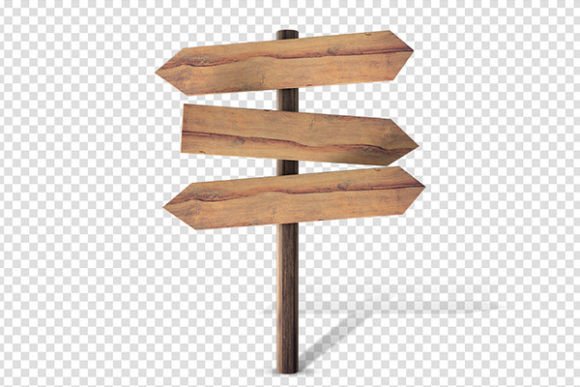
Creating a convincing digital representation of physical materials requires more than just basic modeling. The essence of a premium Wooden signboard hanging 3d render lies in the meticulous attention to detail regarding texture, lighting, and geometry. When these elements are executed correctly, the resulting image is indistinguishable from a photograph, providing a powerful tool for client presentations.
At the core of many high-end visualizations is powerful software such as Cinema 4D. Known for its robust motion graphics capabilities and intuitive interface, Cinema 4D allows artists to manipulate complex scenes with precision. When a render is created using this platform, it benefits from advanced ray-tracing algorithms that simulate how light interacts with wood grain, metal chains, and ambient surroundings. This results in natural shadows, reflections, and depth that flat images simply cannot achieve.
Furthermore, the resolution of the final output plays a critical role in its usability. A standard resolution may suffice for web thumbnails, but professional applications often require higher fidelity. For instance, a Resolution 150 DPI (dots per inch) file offers a balanced compromise between file size and print quality. This resolution is ideal for large-format digital displays, high-quality brochures, and detailed online portfolios where clarity is paramount without necessitating the massive file sizes associated with 300 DPI print-ready files.
Versatility Through Editable PSD Files
One of the most significant advantages of purchasing or creating a dedicated 3D render asset is the flexibility it offers through editable file formats. A PSD File (Photoshop Document) structure allows designers to customize the mockup to fit specific brand identities without needing to re-render the entire scene from scratch. This layer-based approach is essential for efficient workflow management.
Typically, these PSD files include smart objects. By double-clicking a smart object layer, a designer can insert their own logo or text design. Once saved, the changes automatically update within the main composition, maintaining all the realistic lighting effects, perspective distortions, and shadow interactions generated by the original 3D process. This seamless integration saves hours of manual editing and ensures that the final presentation looks professionally crafted.
Consider a scenario where a branding agency is pitching to a boutique coffee shop. Instead of describing how a wooden sign would look above the entrance, they can present a hyper-realistic image of the client’s actual logo on a textured wooden board, hanging in a simulated urban environment. The ability to swap designs rapidly means the agency can present multiple variations—different fonts, colors, or wood stains—in a single meeting, demonstrating agility and thoroughness.
Applications Across Industries
The utility of a Wooden Signboard Hanging 3d Render extends far beyond traditional graphic design. Its applications span various sectors, each leveraging the asset for unique purposes.
- Retail and Hospitality: Restaurants, cafes, and boutiques often rely on rustic or industrial aesthetics. Wooden signage is a staple in these industries. Mockups allow owners to visualize how their branding will integrate with interior design elements before committing to costly fabrication.
- Real Estate and Architecture: Property developers use these renders to showcase potential commercial spaces. By placing realistic signage in architectural visualizations, they help prospective tenants envision their business in the space, enhancing leasing prospects.
- E-commerce and Digital Marketing: Online sellers of custom signs or branding services use these images in product listings. Since they cannot photograph every possible customer design, high-quality renders serve as perfect placeholders that demonstrate product quality and style.
- Educational Institutions: Design educators use these assets to teach students about materiality, lighting, and presentation techniques. Analyzing how light hits a wooden surface in a 3D render provides valuable lessons in digital artistry.
Enhancing Brand Perception Through Texture and Materiality
Wood is a material that conveys warmth, authenticity, and craftsmanship. In a digital world dominated by sleek screens and minimalist interfaces, the organic irregularities of wood grain provide a tactile contrast that captures attention. A well-executed Wooden signboard hanging 3d render captures these nuances—the knots in the wood, the subtle variations in color, and the way light diffuses across the surface.
This emphasis on materiality is crucial for brands aiming to project an image of sustainability or artisanal quality. When a consumer sees a high-resolution render of a wooden sign, they subconsciously associate the brand with natural elements and durability. This psychological impact is a key component of effective visual communication. It is not merely about displaying a logo; it is about embedding that logo within a context that reinforces brand values.
Moreover, the "hanging" aspect of the sign adds a dynamic element to the composition. Chains, ropes, or metal brackets introduce additional textures and structural details. These elements break up the visual monotony and add depth to the image. In a 3D render, the tension in the chains and the slight tilt of the board can be adjusted to create a sense of realism and movement, making the static image feel alive.
Workflow Efficiency for Creators
For freelance designers and creative agencies, time is a finite resource. Creating a photorealistic 3D scene from scratch for every client project is often impractical due to time constraints and rendering costs. Utilizing pre-made, high-quality assets like a Number 3D Render package allows professionals to streamline their production pipeline.
By starting with a base render that has already been optimized for lighting and composition, designers can focus on the creative aspects of branding rather than the technical complexities of 3D modeling. This shift in focus leads to higher quality outputs and faster turnaround times. Additionally, having a library of diverse mockups enables creators to offer a wider range of presentation styles to their clients, enhancing their service offering without increasing overhead.
It is important to note that while pre-made assets save time, customization remains key. The best results come from adjusting the environment, lighting angles, and camera positions to suit the specific mood of the brand. A dark, moody lighting setup might suit a high-end whiskey bar, while bright, natural sunlight might be better for a daytime cafe. The flexibility of the PSD file combined with the underlying 3D data allows for these nuanced adjustments.
Considerations for Optimal Usage
To get the most out of a Wooden Signboard Hanging 3d Render, users should consider several factors during implementation. First, ensure that the source artwork inserted into the mockup is of high resolution. Placing a low-resolution logo into a high-fidelity render will result in pixelation, breaking the illusion of realism. Second, pay attention to color matching. The ambient light in the render will affect the appearance of the logo colors, so minor adjustments may be needed to ensure brand consistency.
Additionally, consider the context in which the image will be viewed. If the final output is for social media, a square or vertical crop might be necessary, whereas website headers may require a wide aspect ratio. The high resolution of the source file allows for flexible cropping without loss of quality. Finally, always respect licensing agreements when using third-party renders, ensuring that commercial usage rights are secured for client projects.
In conclusion, the integration of high-quality 3D renders into the design process represents a significant advancement in visual communication. By leveraging the realism of Cinema 4D outputs, the flexibility of PSD files, and the aesthetic appeal of wooden textures, professionals can create compelling narratives that resonate with audiences. Whether for pitching clients, enhancing online stores, or teaching design principles, the Wooden signboard hanging 3d render stands as a testament to the power of digital visualization in shaping real-world perceptions.